BigBangKitchen

.. fusion of food & science …


Leave a comment

October – Pumpkins & Ginger?

The Pumpkin Spice flavour is around for sure! Check out some local coffee stops and you will find it there as part of a choice you have for your drink. Yet does ginger go with the pumpkin season? You decide! But first a series of science about the herb ginger:

  • Ginger is also known as Zingiber officinale or Adrak (India) and its botanical name in the Sanskrit name singabera
  • Ginger has a rich history, dating back as far as 3000 years ago (India and China) & Greece and Rome 10th century

Do you have this historical herb in your kitchen as a staple?

Here is the nutritional scientific facts for a 3/4″ (8mm) piece:

  • 12 calories
  • 0.11 g total fat
  • 0.27 g protein
  • 2.66 g carbohydrate
  • 0.3 g fiber
  • 2.4 mg vitamin C
  • 62 mg potassium

Remember, this is a fantastic piece of herb for the kitchen as it assists in circulation and is an anti-inflammatory!

Happy kitchening, cooking, & cuisine!

Leave a comment >

What happens when you mix some onions with some tomatoes and mix in some flavour of India?


                  +

As the onions and the tomatoes are the key ingredients in this breakfast dish, you get the anti-inflammatory properties of the onions and the lycoene of the tomatoes.

Here is what is needed for this breakfast dish: (serves 2 to 4)

  • dash of olive oil
  • 1 large onion, chopped
  • a few garlic cloves, finely chopped
  • 1 tsp ground tumeric
  • 2 tsp ground cumin
  • 2 and 1/4 cups of stewed canned tomatoes
  • flavour of pepper
  • 4 eggs
  • optional: 1/4 cup fresh chopped coriander

How to put it together:

  1. Heat the oil in a large skillet with the onions and garlic for a few minutes (softening)
  2. Add the tumeric and cumin, stir for about 2 minutes
  3. Add the tomatoes and season to taste. Simmer the mixture for about 20 minutes until the mix thickens
  4. Make for `pockets` in the mix, break one egg in each pocket
  5. Cook until the egg whites are cooked
  6. Garnish with the optional coriander if  you choose (had this without, or a light mix of cheese overtop the mix)

With this recipe you get 2 bonuses: using the super ingredients of cumin and tumeric (these will be discussed in future posts).

Happy kitchening, cooking & cuisine!


Leave a comment >

So how long have onions been around for?

History has indicated they are the oldest cultivated vegetable and have been popular in ancient Egypt and India.

So the other part that I asked in an earlier blog (September and Fall … Falling into Flavour with Onions) was how many ways are onions available. Here are a few ways:

  • fresh
  • dried
  • powdered
  • flaked

Aside from how they are available, onions in food can be boiled, fried, ground to paste. Onions typically go very well with tomatoes, ginger, garlic, meats, and potatoes. Enjoy them in your meals!

Happy kitchening, cooking & cuisine!

A Warm Autumn Day

Leave a comment

20120920-172319.jpg

It is September but still feels like summer (+25C outside @ 5:25 pm)! Interesting how sunshine and warm weather makes us feel good. Food has that capability too!

Two foods that crossed my path today: ginger (ok more of a herb!) and the tomatoe.

These two have the capability to make us feel good as well! Here is the science of why:

Ginger – considered a strong antioxidant that contributes to youthfulness of our heart, joints, and brain!

p.s. Helps lower blood cholesterol levels too!

Tomatoe – with respect to making us feel good, the tomatoe has become known as a primary source for vitamins and minerals in our nutrition consumption. The major benefit of the tomatoe is its anti-cancer property of lycopene – the pigment giving the tomatoe its red colour. Tomatoe based products give about 85% of all lypocene intake!

Knowing this about tomatoes, I can say the tomatoe soup I enjoyed during lunch at Famoso Neapolitan Pizzeria (4th Street Sw, Calgary) gave me a double intake of feel good: delicious and preventative!

Enjoy the day!

Happy kitchening, cooking & cuisine!


Leave a comment >

How long have onions been around for? If you know or want to have an educated guess, let me know in the comments section, I am interested in hearing what people say!

Aside from how long have they been around, how many ways are onions available? Let me know about that as well!

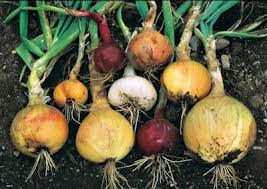
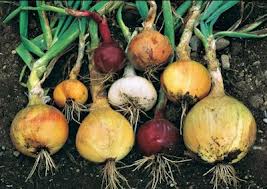
As fall begins to be in bloom, there are colours to be seen and in the onion world, there are also a few different colours pending where you are in the world. Where I am at, I typically see the yellow onion, white onion, red onion and also the green onion.

So why highlight the onion? Just to go over a little science about the onion and also provide some insight on how the onion is a key vegetable in assisting in overall health. First the science: the onion is a member of the allium family (garlic, leeks) and are used often under the school microscopes in plant biology for the visible cellulose structure they posses. From the school labs and moving on up, the onion contains sulfur (allyl sulfides) which have been shown to help in lowering blood pressure and contribute towards preventing the growth of tumors. Here is a few more magical properties of the onion:

  • high in quercetin (excellent antioxidant & antihistamine)
  • contains vitamin C, vitamin B6, calcium, potassium and phosphorus (for health hearts)
  • reduces risk of osteoporosis as helps to reduce/eliminate osteoclasts (cells that break down bone)

In summary, the onions have a history of being high in minerals and vitamins that make them valued for anti-inflammation healing as well as antiaging and long health life!

Happy kitchening, cooking & cuisine!